“Originally the Goddess ruled, or co-created, the magical life cycle forces of sexuality, birth, life and death. With the coming of patriarchal religions, the power of life and death became prerogatives of the male God, while sexuality and magic were split off from procreation and motherhood.” -Barbara Koltuv, The Book of Lilith
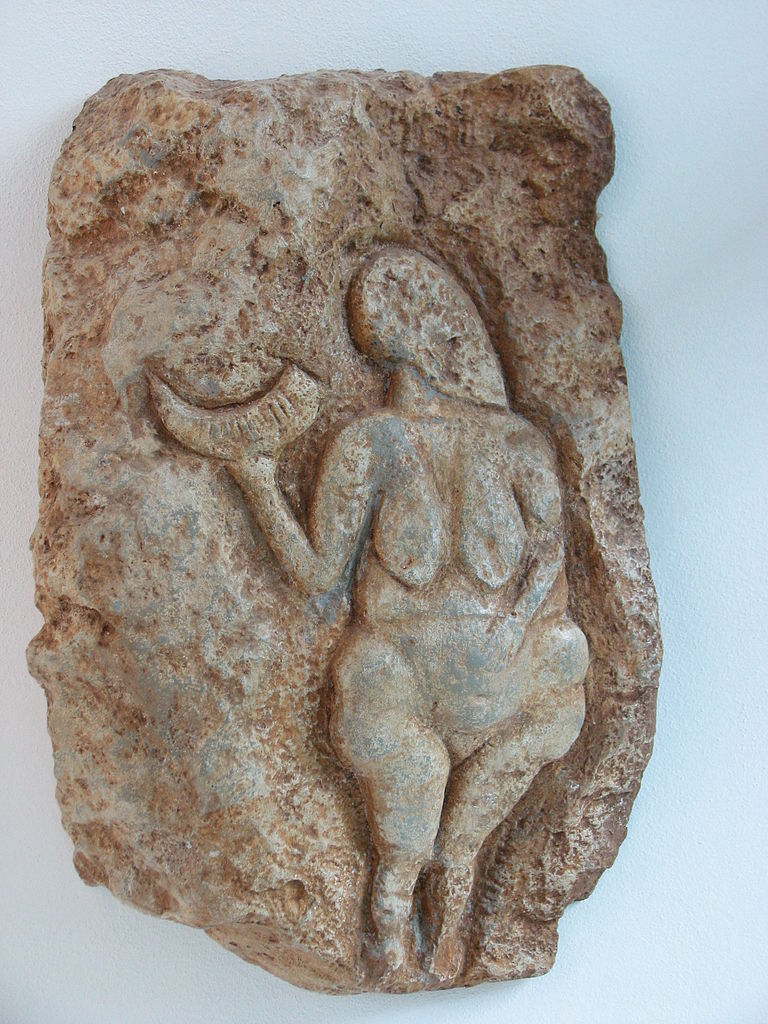
——- Image: the Laussel Relief 27,000 BCE. Found in southern France. It depicts the connection between a woman’s body and the mystery of the cosmos; one hand holds a crescent moon and the other points to her pelvis. Archeologists debate about what the 13 lines on the crescent moon signify. One possibility: 29,000 years ago, humans already knew that there are 13 moon cycles in a year.
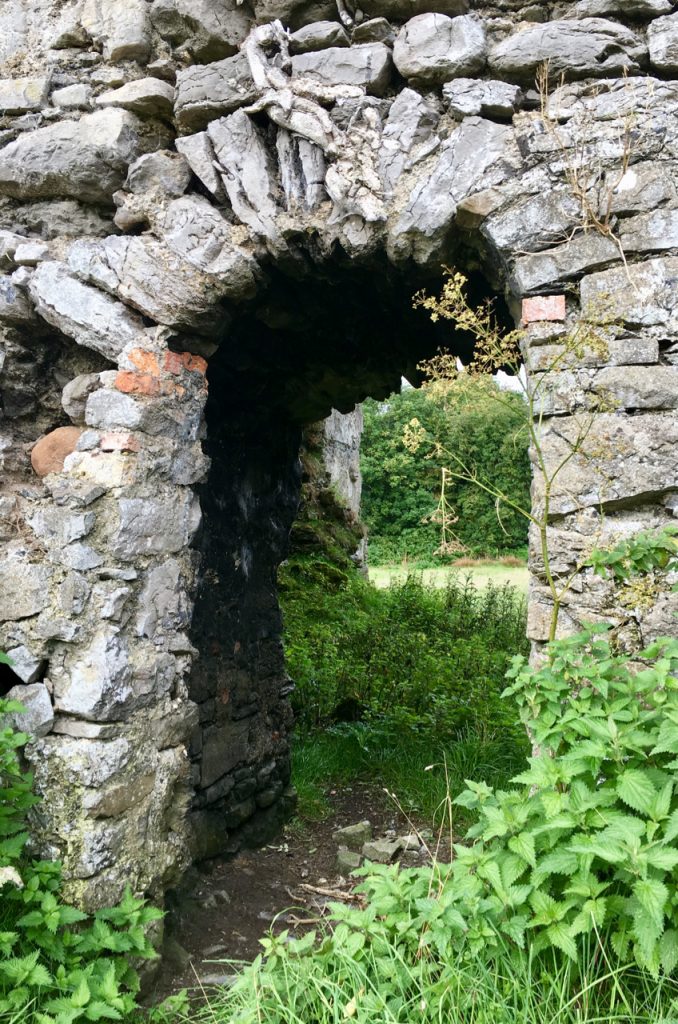
This is the solstice, the still point of the sun, its cusp and midnight, the year’s threshold and unlocking, where the past lets go of and becomes the future; the place of caught breath, the door of a vanished house left ajar…
The Spaniards came to our village in 1524, but they couldn’t get anybody to go to their church, so they demolished our old temple and used the stones to build a new church on the same site. (This was a common practice.) But the Tzutujil people are crafty. They watched as the old temple stones were used to build the new church, and they memorized where each one went. As far as the Tzutujil were concerned, this strange, square European church was just a reconfiguration of the old. (When I was learning to be a shaman, I had to memorize where all those damn stones were, because they were all holy. It was like being a novice taxi driver in London.)
The Catholic priests abandoned the village in the 1600s because of earthquakes and cholera, then came back fifty years later and found a big hole in the middle of the church. “What is that?” they said. By then, the Indians knew the priests destroyed everything relating to the native religion, so the Indians said, “When we reenact the crucifixion of Jesus, this is the hole where we put the cross.”
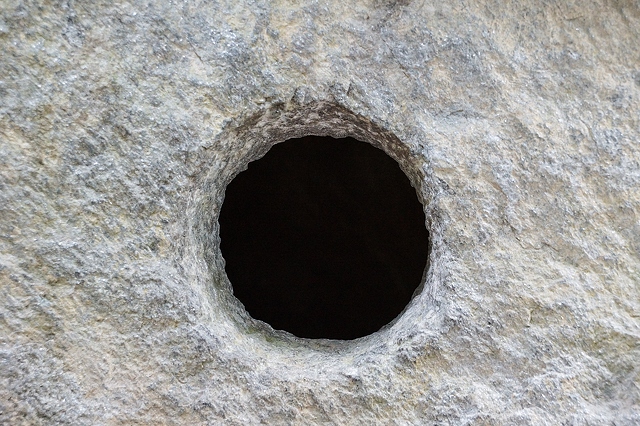
In truth, that hole was a hollow place that was never to be filled, because it led to another hollow place left over from the temple that had been there originally, and that place was connected to all the other layers of existence. For four and a half centuries, the Indians kept their traditions intact in a way that the Europeans couldn’t see or understand. If the Spaniards asked, “Where is your God?” the Indians would point to this empty hole. But when the American clergy came in the 1950s, they weren’t fooled. They said, “This is paganism.” And so, eventually, they filled the empty place with concrete.
I was there when that happened, in 1976. I was livid. I went to the village council and ranted and raved about how terrible it was. The old men calmly smoked their cigars and agreed. After an hour or so, when I was out of breath, they started talking about something totally unrelated. I asked, “Doesn’t anybody care about this?”
“Oh, yeah,” they said. “We care. But these Christians are idiots if they think they can just eradicate the conduit from this world to the next with a little mud. That’s as ridiculous as you worrying about it. But if you must do something, here’s a pick, shovel, and chisel. Dig it out.”
So some old men and I dug out the hole. Then the Catholics filled the hole back up, and two weeks later we dug it out again. We went back and forth this way five times until, finally, somebody made a stone cover for the hole, so the Catholics could pretend it wasn’t there, and we could pull the cover off whenever we wanted to use it.
That’s how the spirit is now in this country. The hole, the hollow place that must be fed, is still there, but it’s covered over with spiritual amnesia. We try to fill up that beautiful hollow place with drugs, television, potato chips — anything. But it can’t be filled. It needs to be kept hollow.
For many of us, this may be the first time in our lives that we have felt so little control over our own destiny and the destiny of those we love. This lack of control initially feels like a loss, a humiliation, a stepping backward, an undesired vulnerability. However, recognizing our lack of control is a universal starting point for a serious spiritual walk towards wisdom and truth.
To be in control of one’s destiny, job, or finances is nearly an unquestionable moral value in Western society. The popular phrase “take control of your life” even sounds mature and spiritual. It is the fundamental message of nearly every self-help book. On a practical level, it is true, but not on the big level. Our bodies, our souls, and especially our failures teach us this as we get older. We are clearly not in control, as this pandemic is now teaching the whole planet.
Learning that we are not in control situates us correctly in the universe. If we are to feel at home in this world, we have to come to know that we are not steering this ship. That teaching is found in the mystical writings of all religions. Mystics know they are being guided, and their reliance upon that guidance is precisely what allows their journey to happen. We cannot understand that joy and release unless we’ve have been there and experienced the freedom for ourselves.